
This week Anna steps into view while Avalon makes creator logic more dependable from idea to live play. Merlin's cards gained clearer controls, safer persistence, and complete trigger execution, while Forge NPCs learned to cast a much broader range of authored abilities. Combat, crafting, respawning, world building, reporting, and social play all received focused passes around them.
Build week: August 8 to 14, 2026. These notes cover Avalon's development and integration work this week. They do not announce a new public production game cook.
Meet Anna
- Anna's first meeting is taking shape. This new 15-second cinematic concept follows her through Elysara and into the moment she turns to greet the player.
Work-in-progress cinematic concept for Anna's first meeting in Elysara - The goal is a warmer arrival in the world. The sequence explores how character motion, village atmosphere, and direct eye contact can make an early story beat feel personal before dialogue begins.
Merlin Logic You Can Trust
- Every trigger lane gets its turn. Merlin now runs every WHEN lane on a card instead of stopping after the first match, and an empty optional filter correctly means any matching event. That makes multi-trigger logic behave the way it reads on screen.
- Creators can say NOT. Conditions now have a real negation control, so cards can react when a requirement is false without building a workaround. Cooldowns, one-shot gates, counters, and other stateful conditions keep their intended state while the inverted result is evaluated.
- Saved logic is safer across updates. Graphs now carry a schema version, older cards self-heal known placeholder values when loaded, counters survive reconfiguration, and removed waits no longer return later to perform an action the creator deleted.
- The editor only promises controls that work. Typed pickers, reachable dropdowns, larger removal targets, honest parameter hints, five clearer action names, and the retirement of two duplicate visibility and collision actions bring the palette back in line with the runtime.
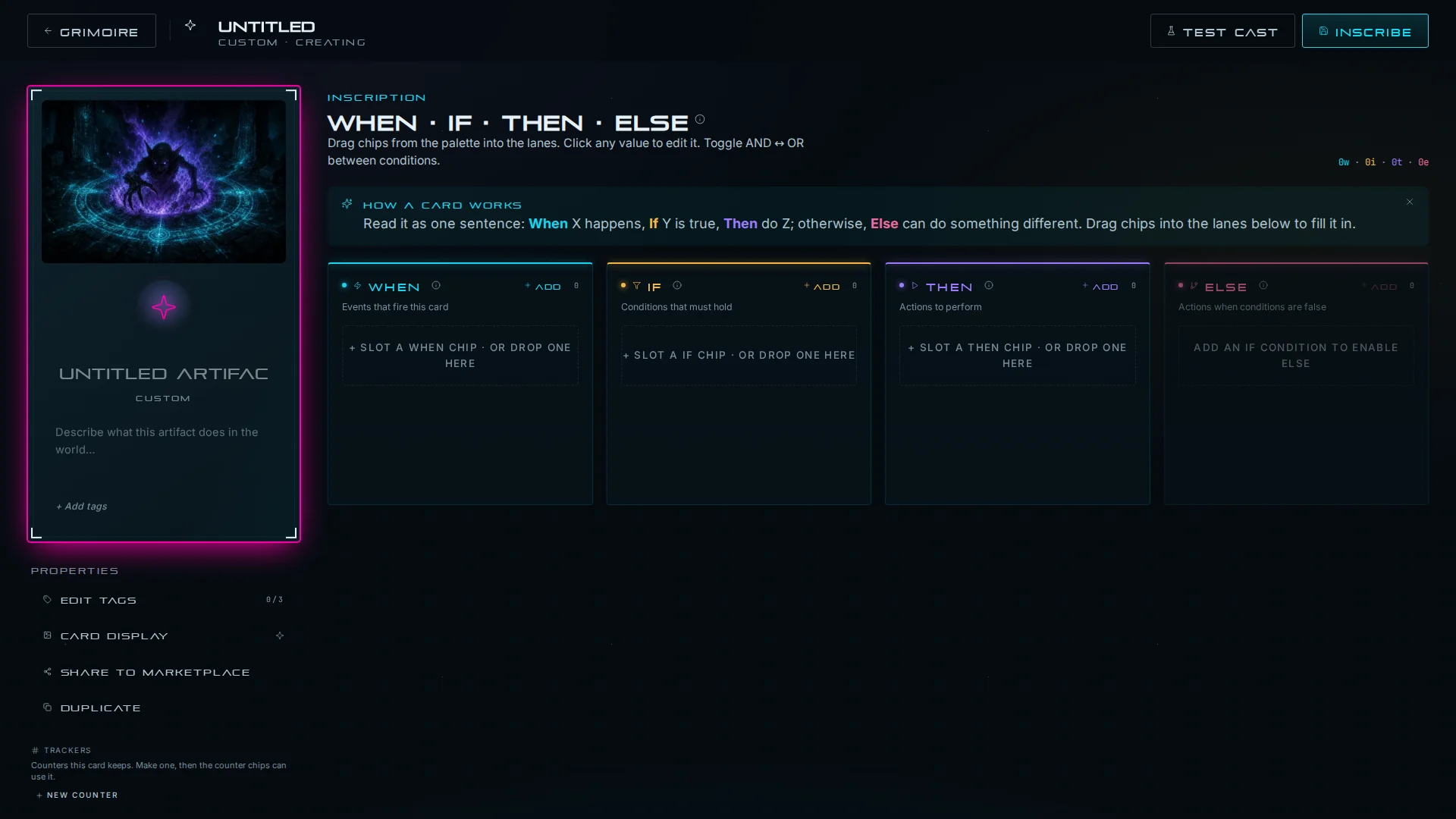
Merlin's card editor presents world logic as When, If, Then, and Else - World-sized logic now has stronger proof behind it. Dedicated editor, server, browser, and cold-restart tests exercise card authoring, trigger execution, persistence, and catalog drift. The completed campaign closed the high-priority findings it uncovered rather than leaving them as documentation debt.
Forge Abilities and Smarter Fights
- Forge NPCs learned how to use authored abilities. The Forge now gives AI the aim, approach distance, health gate, summon gate, and cast timing it needs for projectiles, ground zones, leaps, heals, channels, buffs, control effects, and summons. A live development sweep exercised 46 showcase ability shapes end to end.
- Healing and summoning follow clearer rules. Beneficial zones can affect the caster and allies, while recasting a summon replaces that ability's existing pack instead of stacking an army. AI also waits until its pack is missing before summoning again.
- Combat reads with more weight. Measured weapon arcs and trails are enabled, heavy hits gained stronger impact treatment, player hits have visible feedback, and dedicated-server ground zones now route their effects to connected clients.
- Critical hits have one authority. The central damage calculator now owns crit decisions and normalizes older weapon data that used mixed units, reducing the chance that one attack path quietly calculates a different result.
- NPC fights recover from bad states. Long spin channels are bounded, failed cancels retry, sheathed weapons are drawn before a chain continues, NPCs recover their sight and navigation after distance-based sleep, and unreachable enemies can change plans instead of walking into a wall forever.
- Enemy identity is easier to read. Nameplates now distinguish normal, elite, miniboss, boss, and floor-boss threats with escalating native ornamentation. Player, ally, party, and NPC names also recover correctly when replicated identity or faction data arrives after the character.
Crafting, Harvesting, and World Movement
- Crafting previews the item you will actually make. The crafting screen can show authoritative output stats, the build tooltip reads the correct character inventory, and vendor purchases confirm quantity while stack splitting is reachable again.
- Crafting stations gained their own identities. Ten station-specific map icons replace the generic marker, rare crafts have a distinct success sound, and progress uses a smoother loop. The full current station roster is shown below. Anvil and Furnace use the same combined forge complex, presented from each station's side.
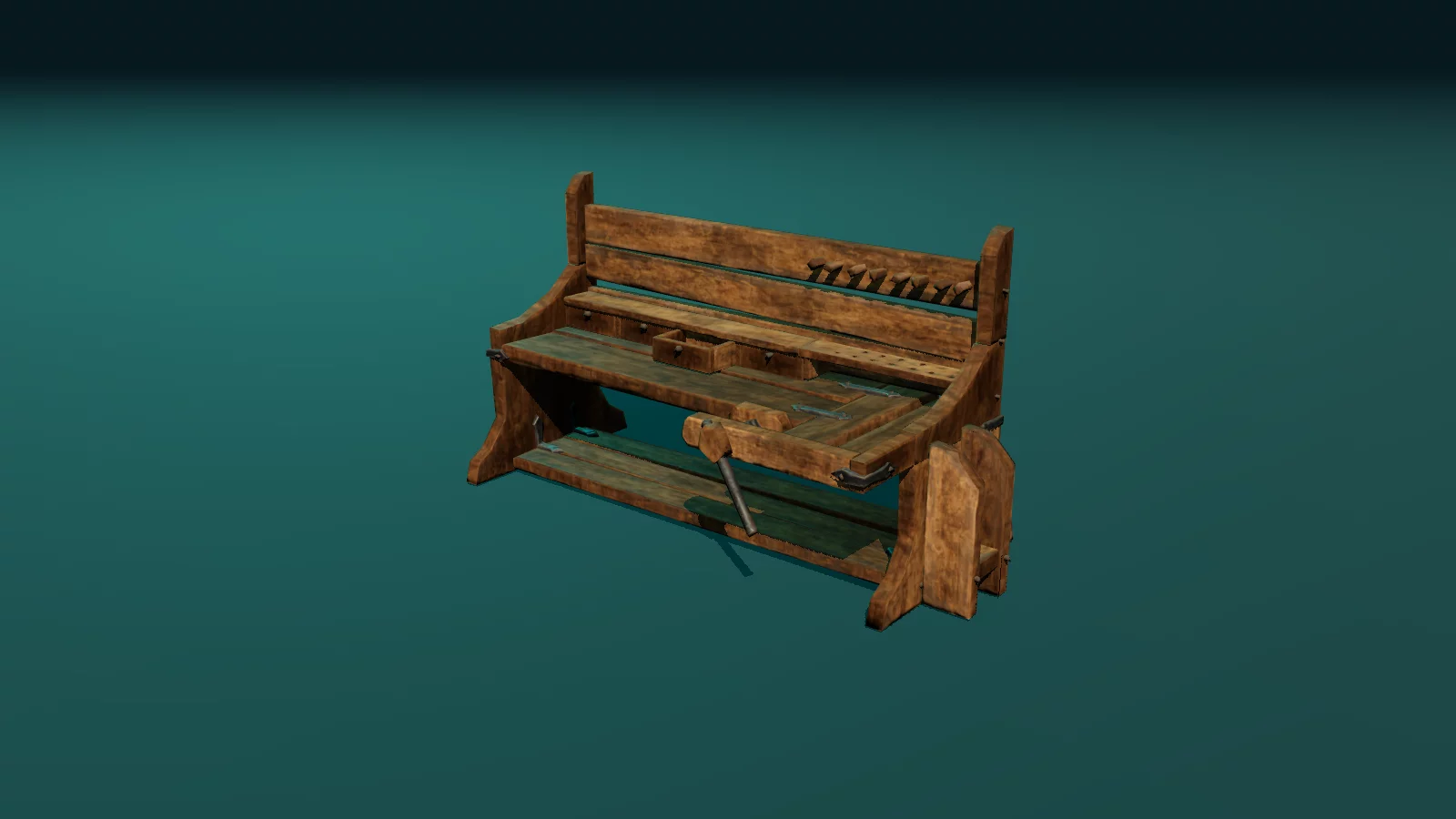
Crafting Table 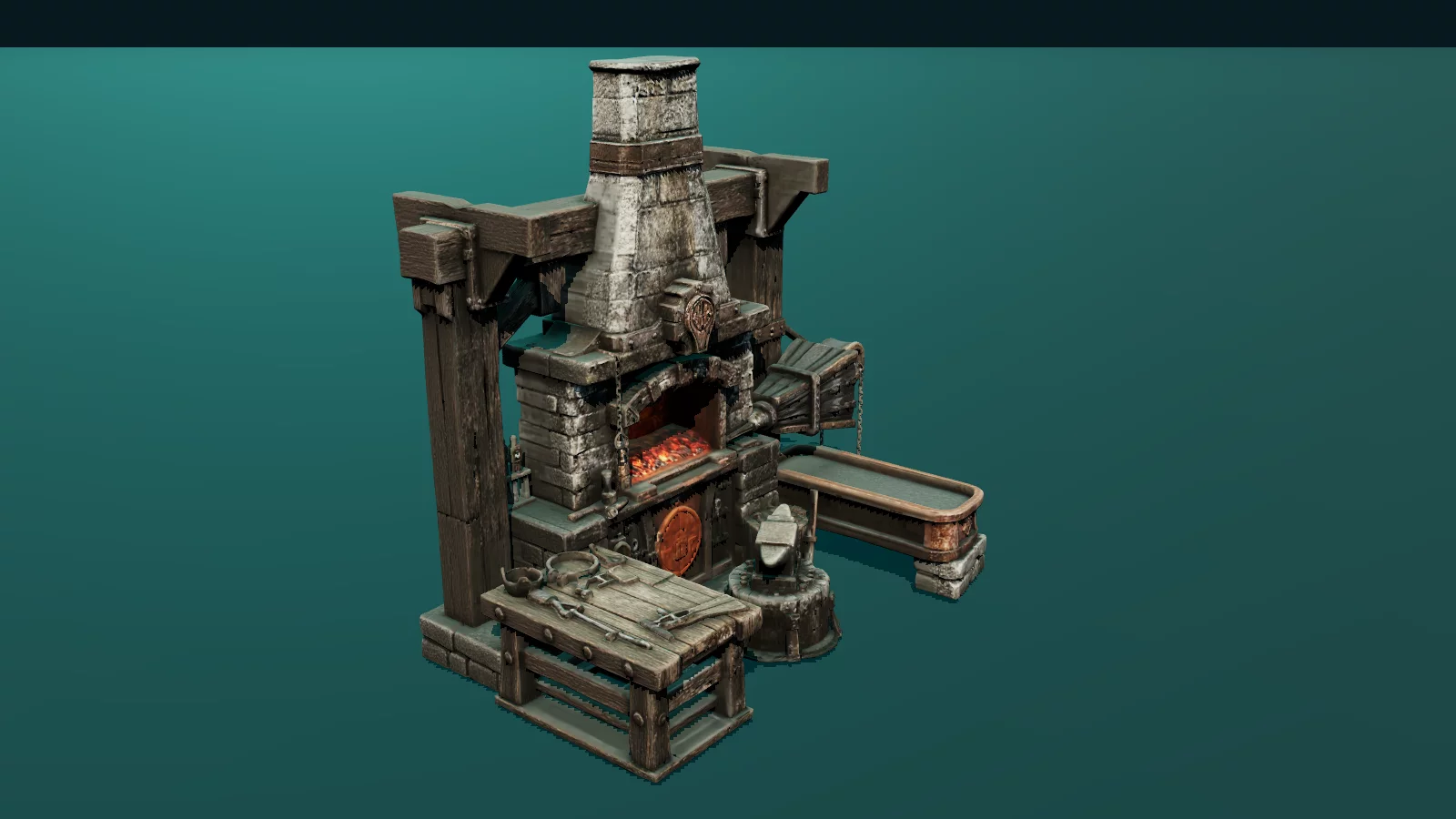
Anvil 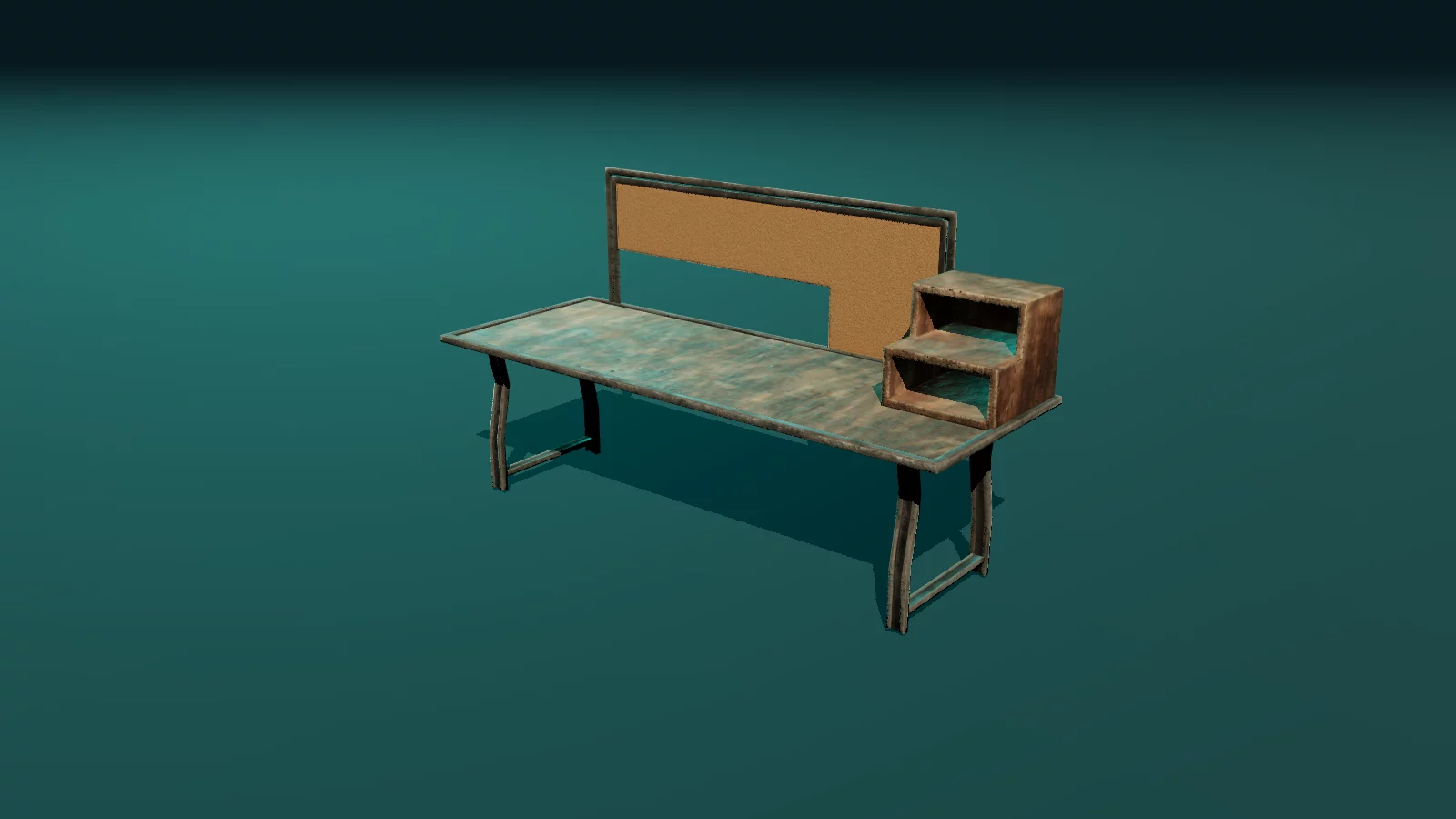
Archery Station 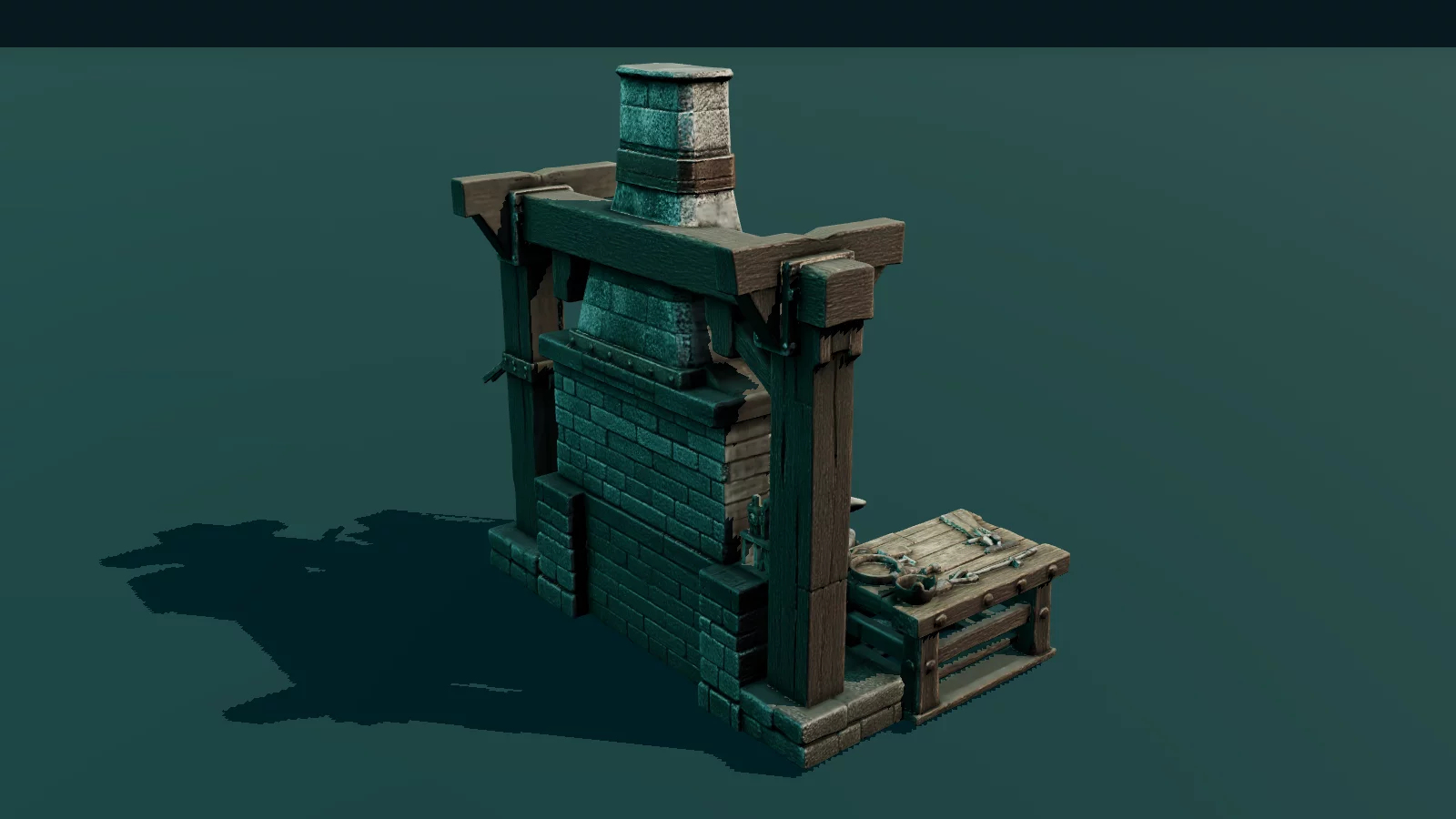
Furnace 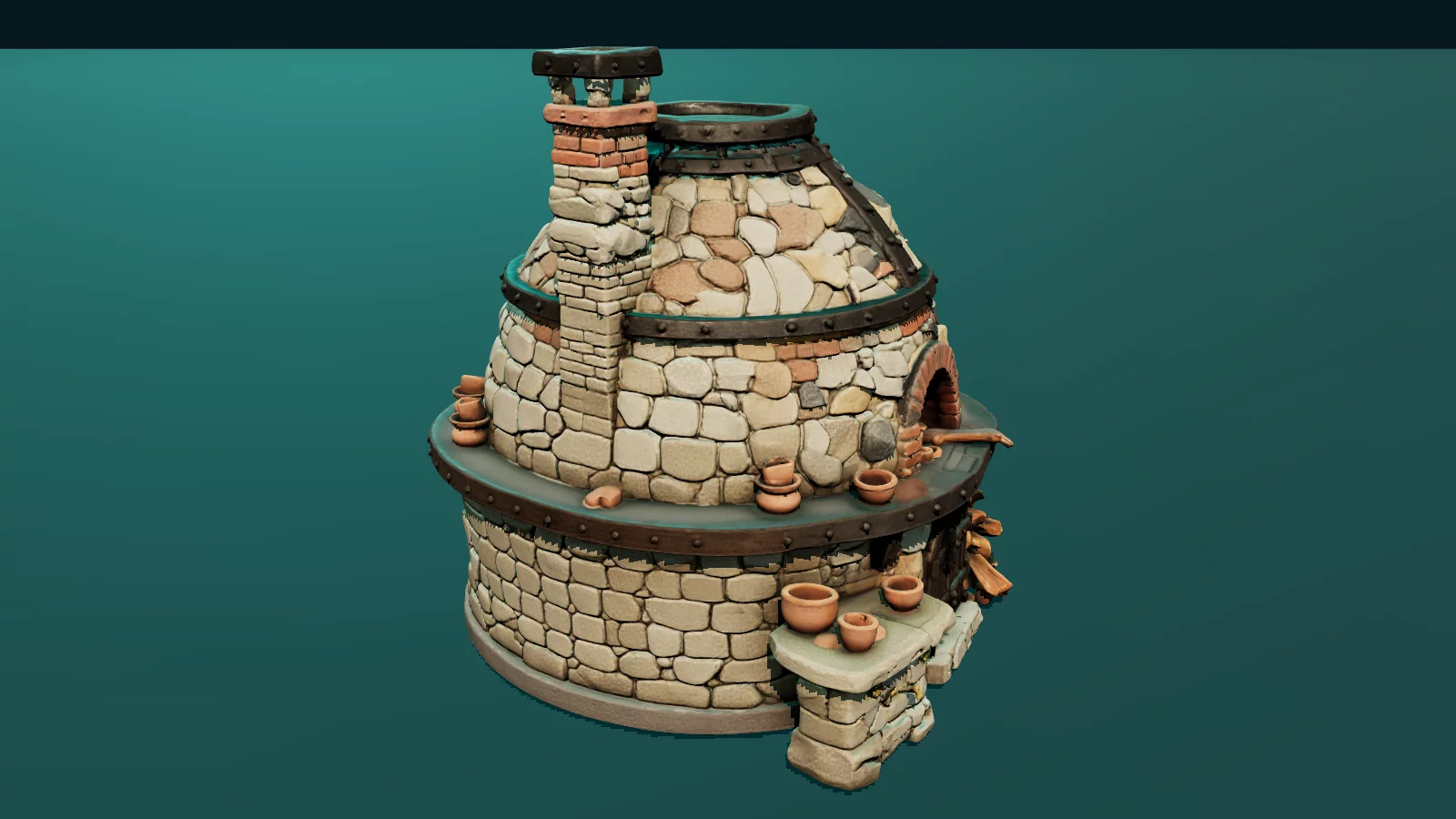
Kiln 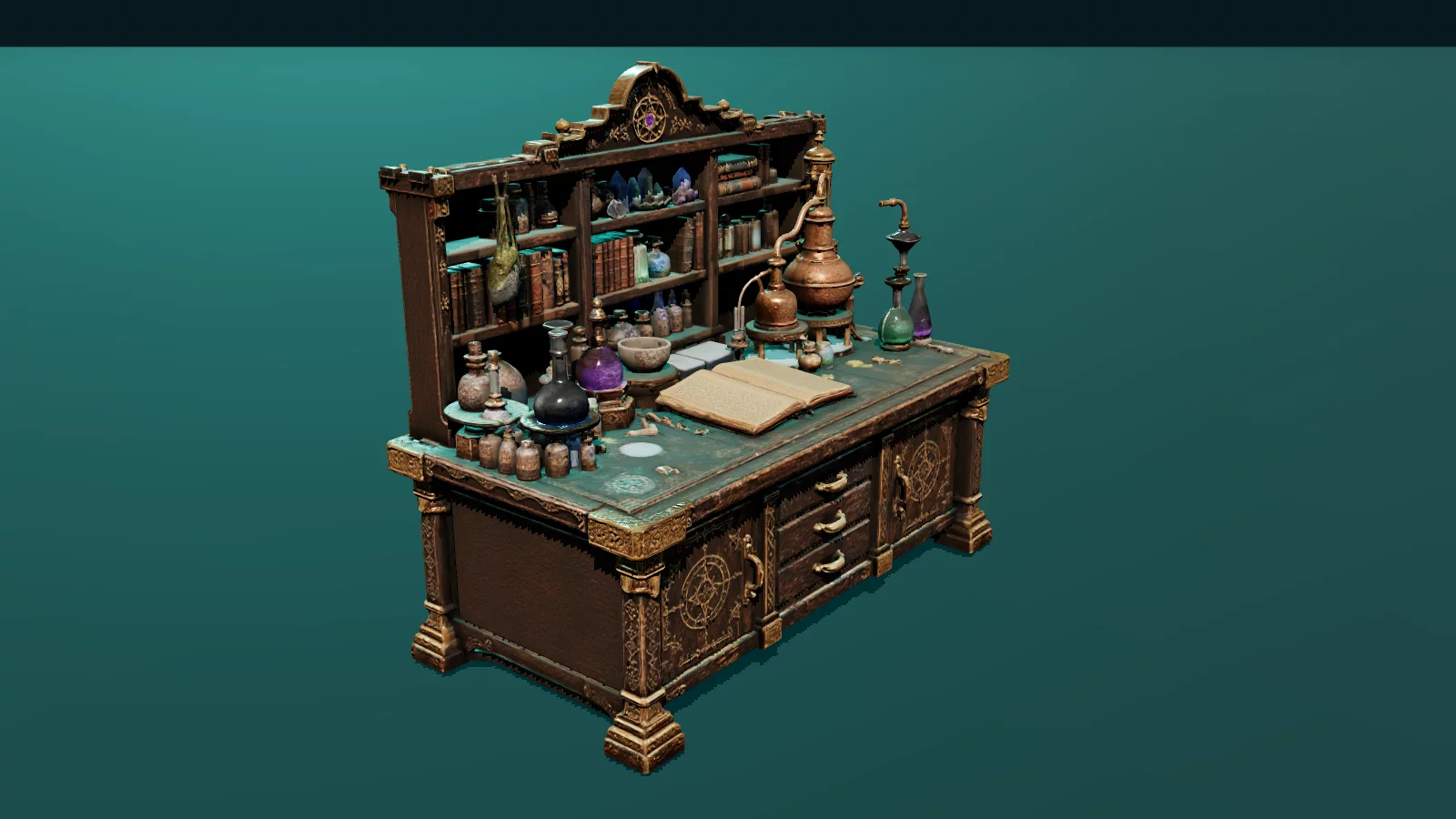
Alchemy Lab 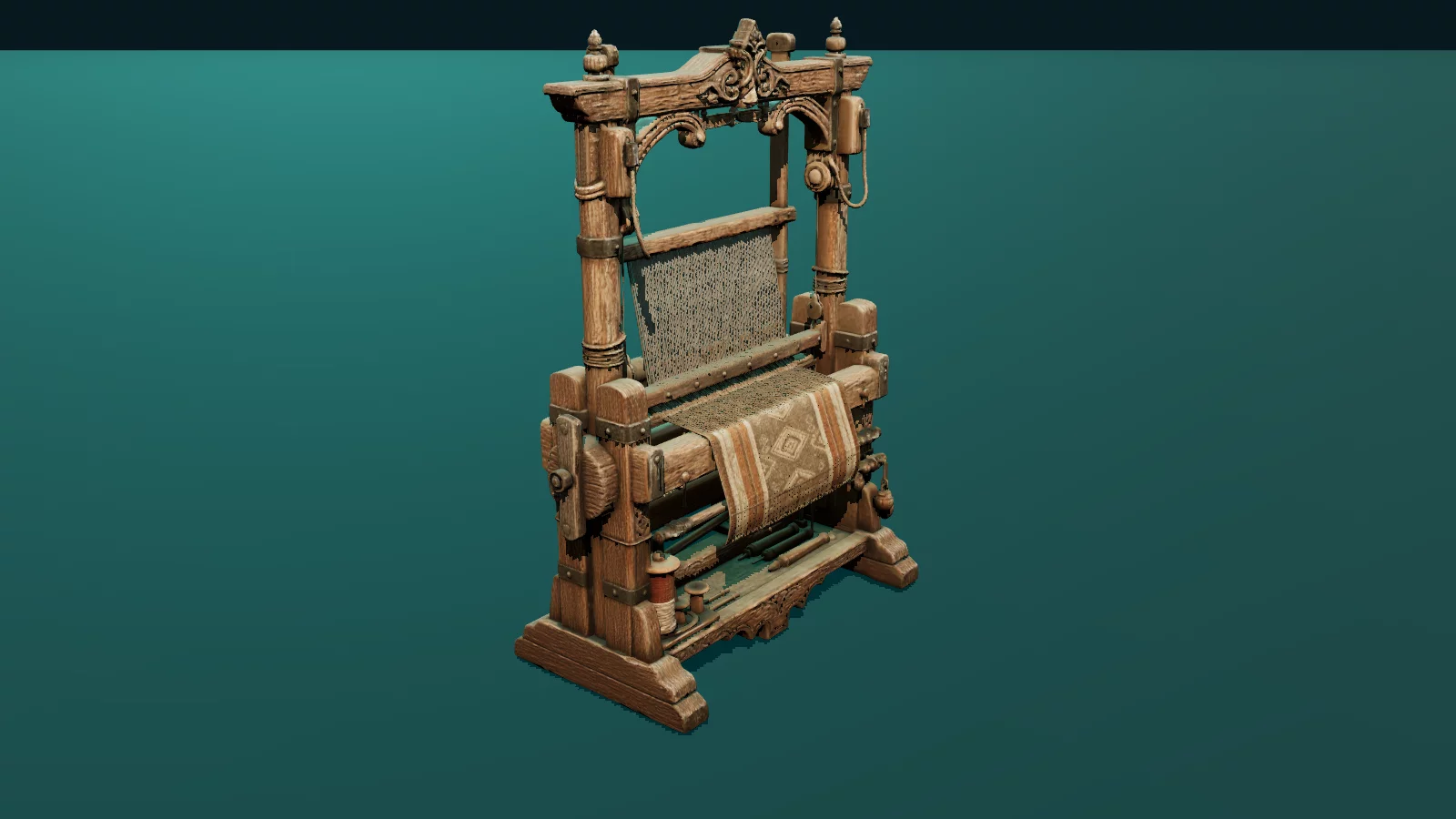
Loom 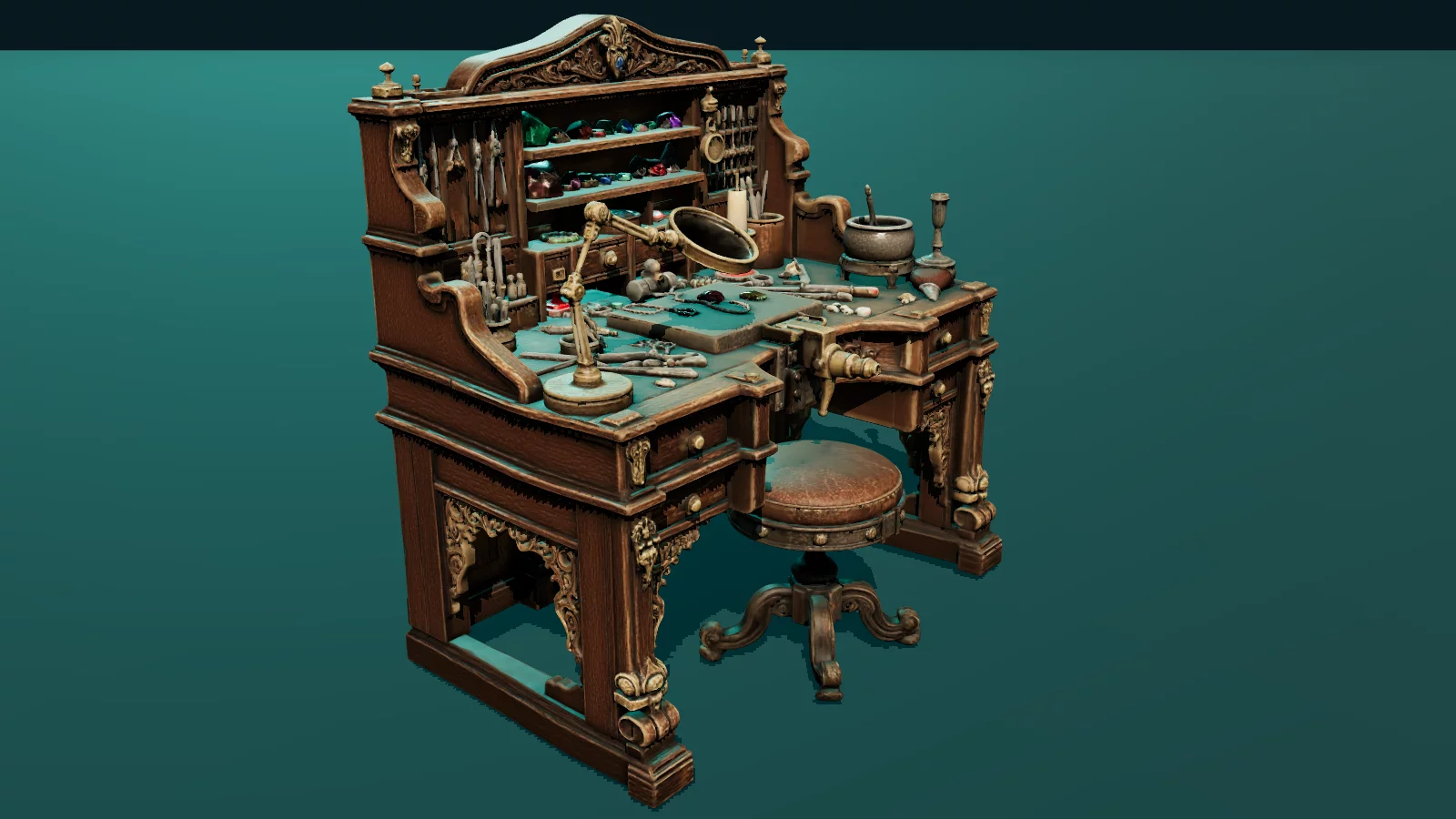
Jeweler's Workbench 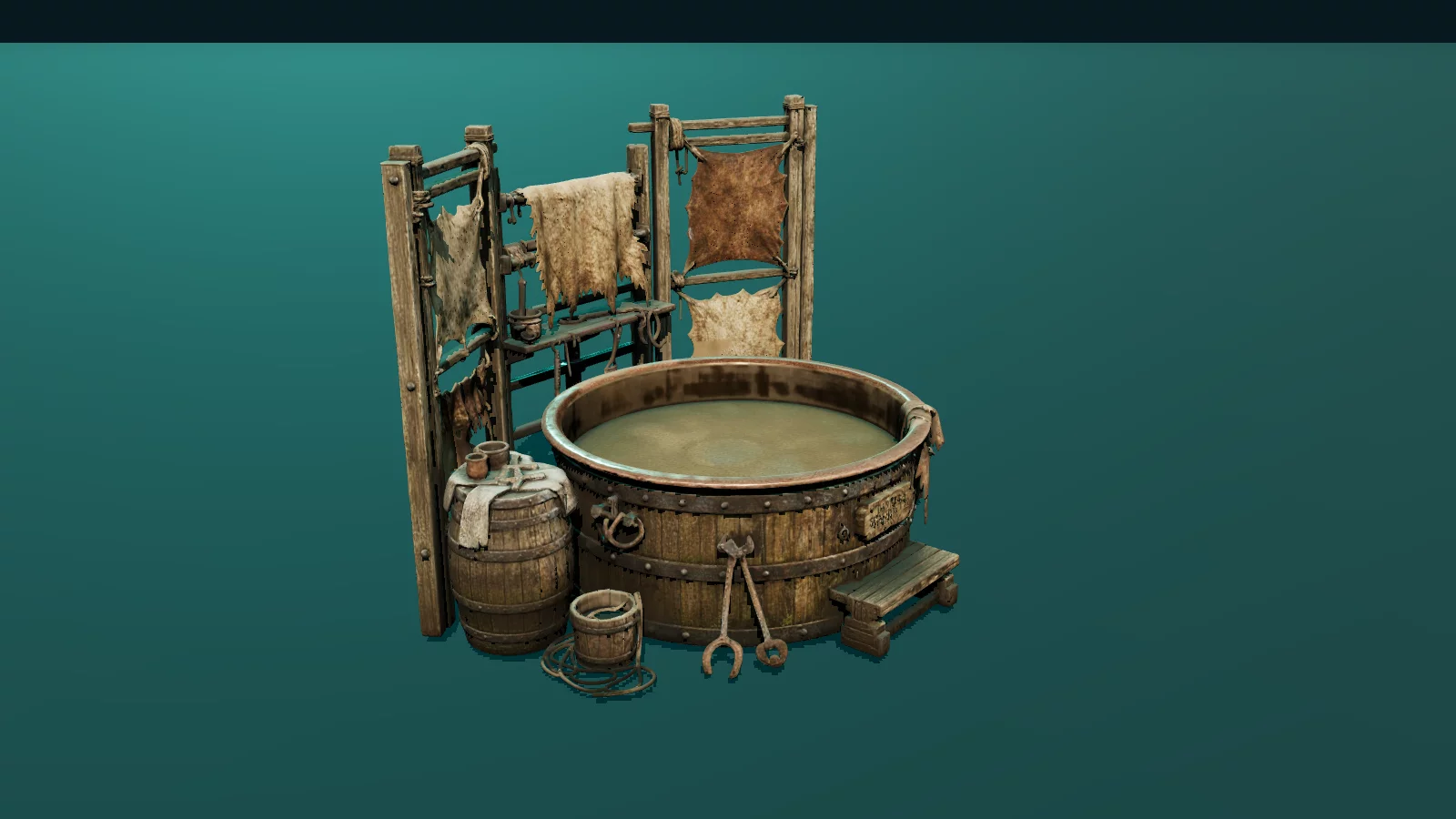
Tanner's Bench 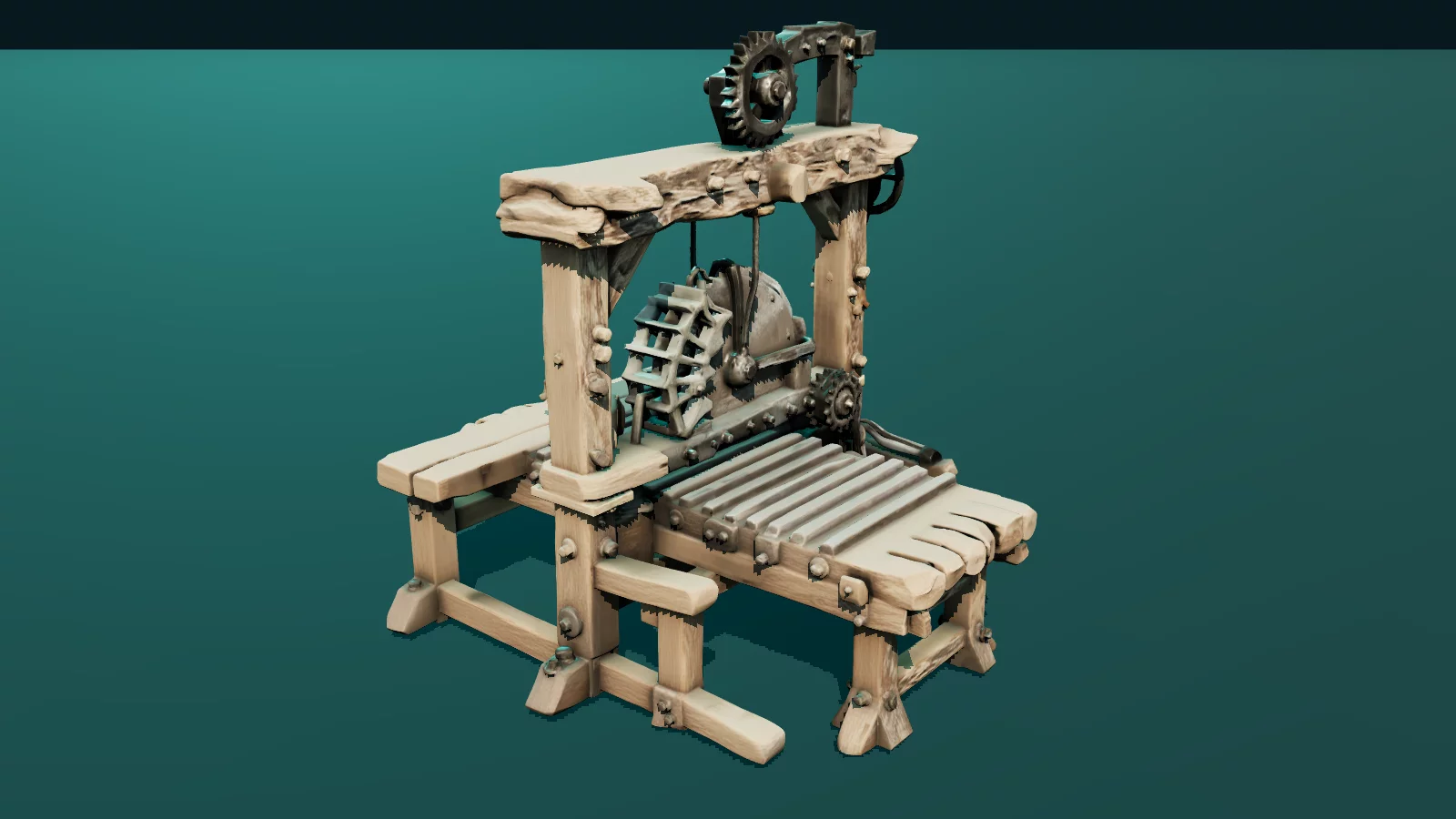
Mill - Harvesting cares which tool you swing. Axes and hatchets are efficient on wood, picks and related tools are efficient on stone, and the wrong implement takes substantially more hits. Resource nodes now show progress as damage numbers, Giant Oak variants drop Elderoak, and server reach checks cover interactions that previously failed at the edge of range.
- Respawning follows the world you explored. The death screen opens immediately with a rematerialization countdown, then offers discovered Teleport Stones, owned claims, or a safe map spawn when no stone network exists. Arrivals are grounded, offset from the marker, and accompanied by clearer sound and visual feedback.
- Claims return control to the builder. Claim placement releases its input mapping on every exit path, moving a claim keeps its earned footprint while clearing placed contents, and claim owners can enter Build Mode correctly in Play worlds.
Creation, Progression, and Everyday Play
- Sage can finish much larger creations reliably. Multi-prefab phases finalize under the correct placement identity, legal payloads support up to 2,048 elements, large bursts use the proven direct-instance path, and Undo keeps draining until every arriving deletion batch is gone instead of leaving client-only ghosts.
- Loom and Forge keep the creator's intent. Loom restored kit controls and prompt feedback, expanded completed-model inspection, and routes equipment art correctly. Copied Forge NPCs retain their custom models instead of silently reverting when saved.
- Kill XP scales to the character receiving it. Progressive rewards now use recipient-relative difficulty, so party members at different levels can be rewarded against their own progression context instead of one shared comparison. Forge previews show the curve before it is used.
- Skill Nebula layouts keep their shape. Skill Nebula uses stable allocation slots, serializes overlapping saves, and preserves choices across very large layouts instead of losing or shifting previously spent points.
- Dialogue responds sooner and explains its limits. NPC voice can begin while synthesis is still running, spatial audio comes from the speaking character, strong relationship changes get a more dramatic presentation, and voice or dialogue limits now explain the available Membership and Essence settings instead of going quiet.
A Smoother Path Into the World
- Bug reports close the feedback loop. The F7 report form can protect an out-of-combat reporter, attach complete performance and embedded-browser diagnostics, announce QA outcomes in game, and follow an accepted report through its public tracker lifecycle.
- Social names belong to the right people. Direct messages no longer label the local player as the friend they are writing to or expose an account email as a caption, while party frames resolve member names instead of opaque IDs.
- Menus recover from real play. The map closes after fast travel, the Claimstone keeps cursor control after an alt-tab, Player Menu opens on the requested tab and stops continuously polling inventory, the Character Creator has a visible Back action, and CEF screens no longer flash white during transitions.
- Beta worlds stay visible to eligible testers. The Lobby Browser now trusts authenticated world access from Sauron, restoring world cards that were hidden even when the account had permission.
- Launcher and service routes know their plane. Launcher v0.8.35 and the connected onboarding, password recovery, session, identity, and world flows distinguish Production from Development and reject invalid manifests before starting the game.
- Build status: focused editor, game, server, frontend, launcher, and service checks passed across the cited work. Several items were also exercised in PIE or live development captures, but these notes do not claim a newly verified public production cook.